
Belfast Harbour Studios, Phase 2
Belfast, Northern Ireland
Date Completed
2024
Sector
Commercial
Main Contractor
Graham Construction
Project Overview
Project Context
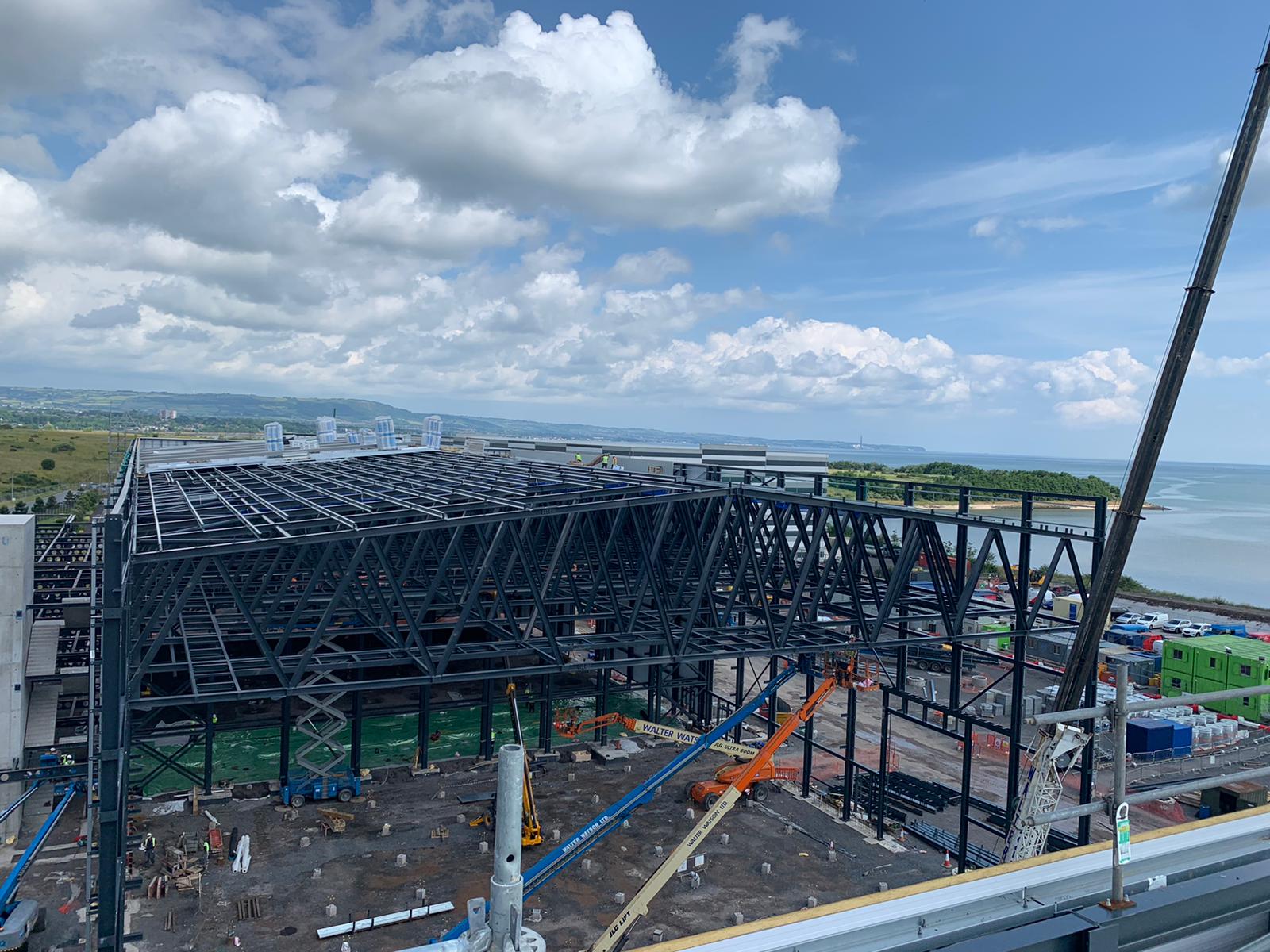
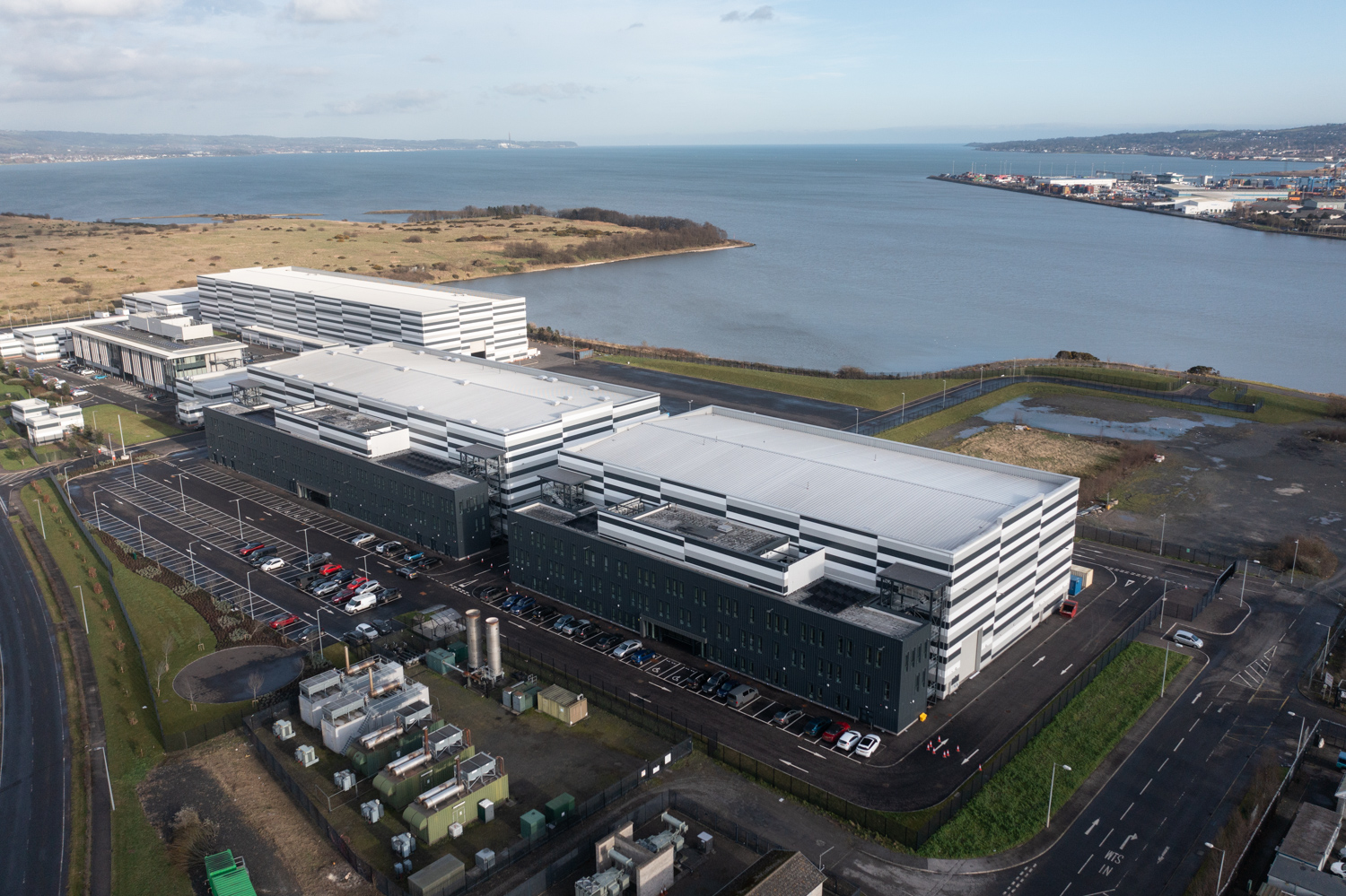
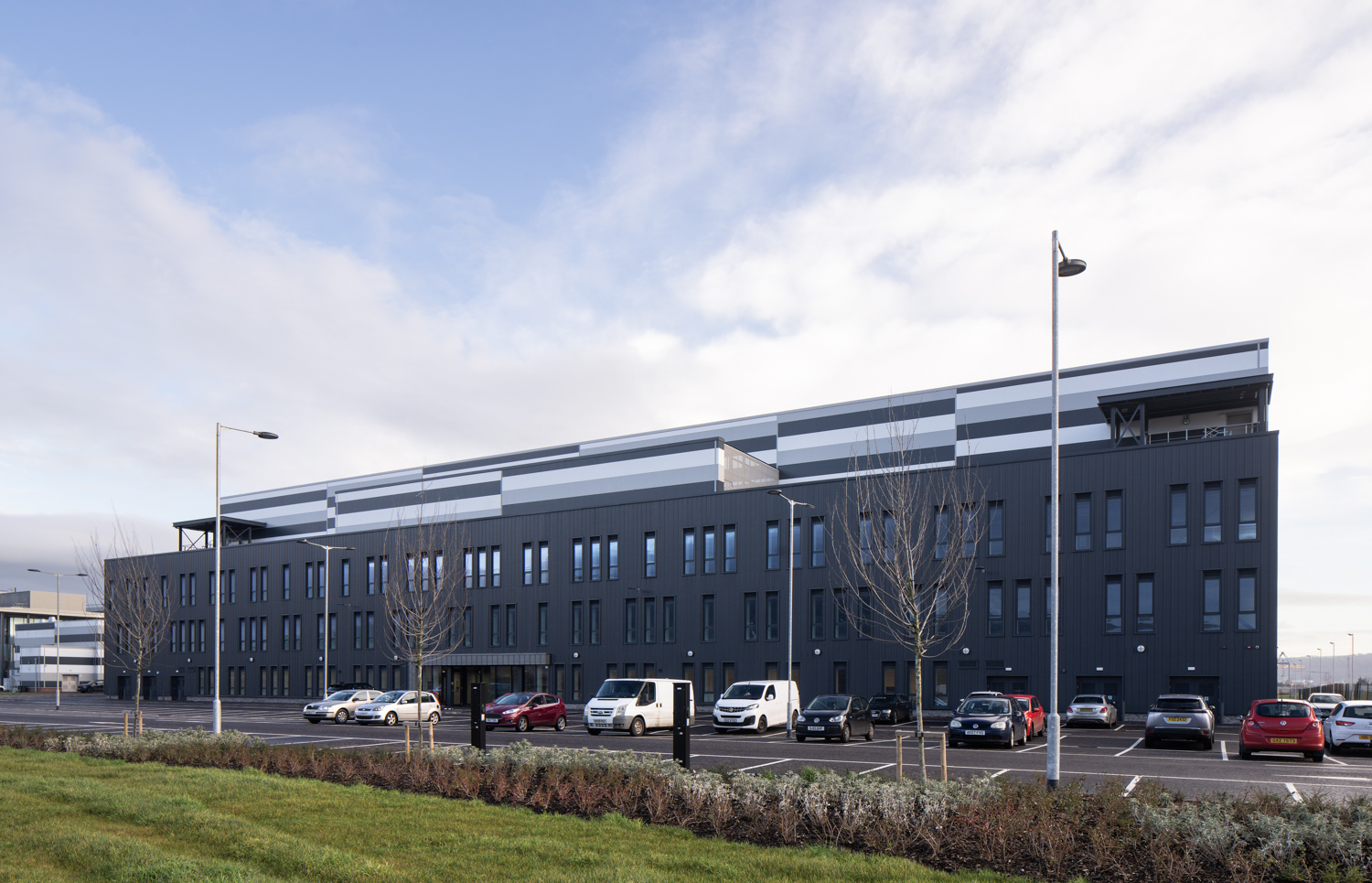
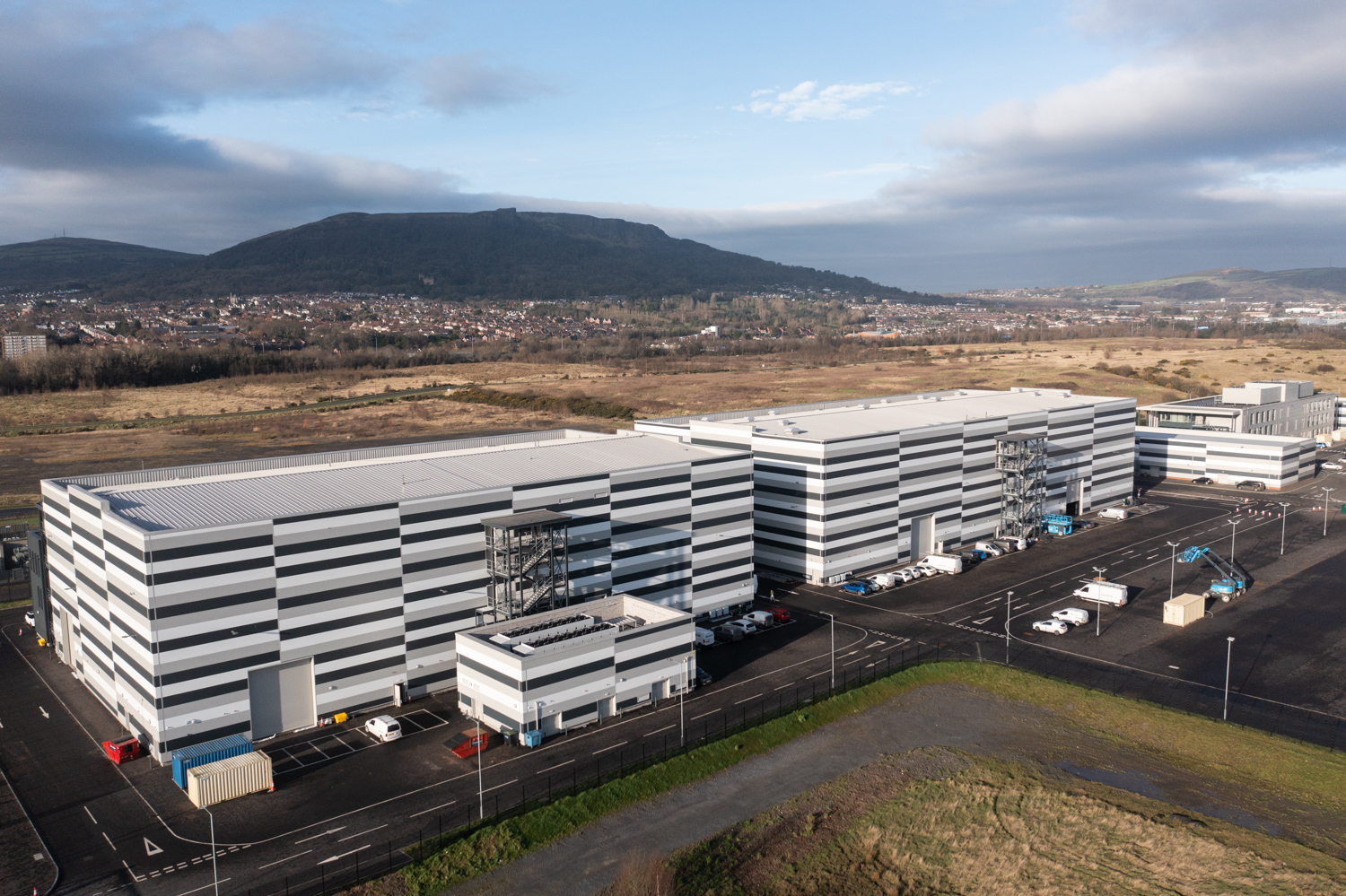
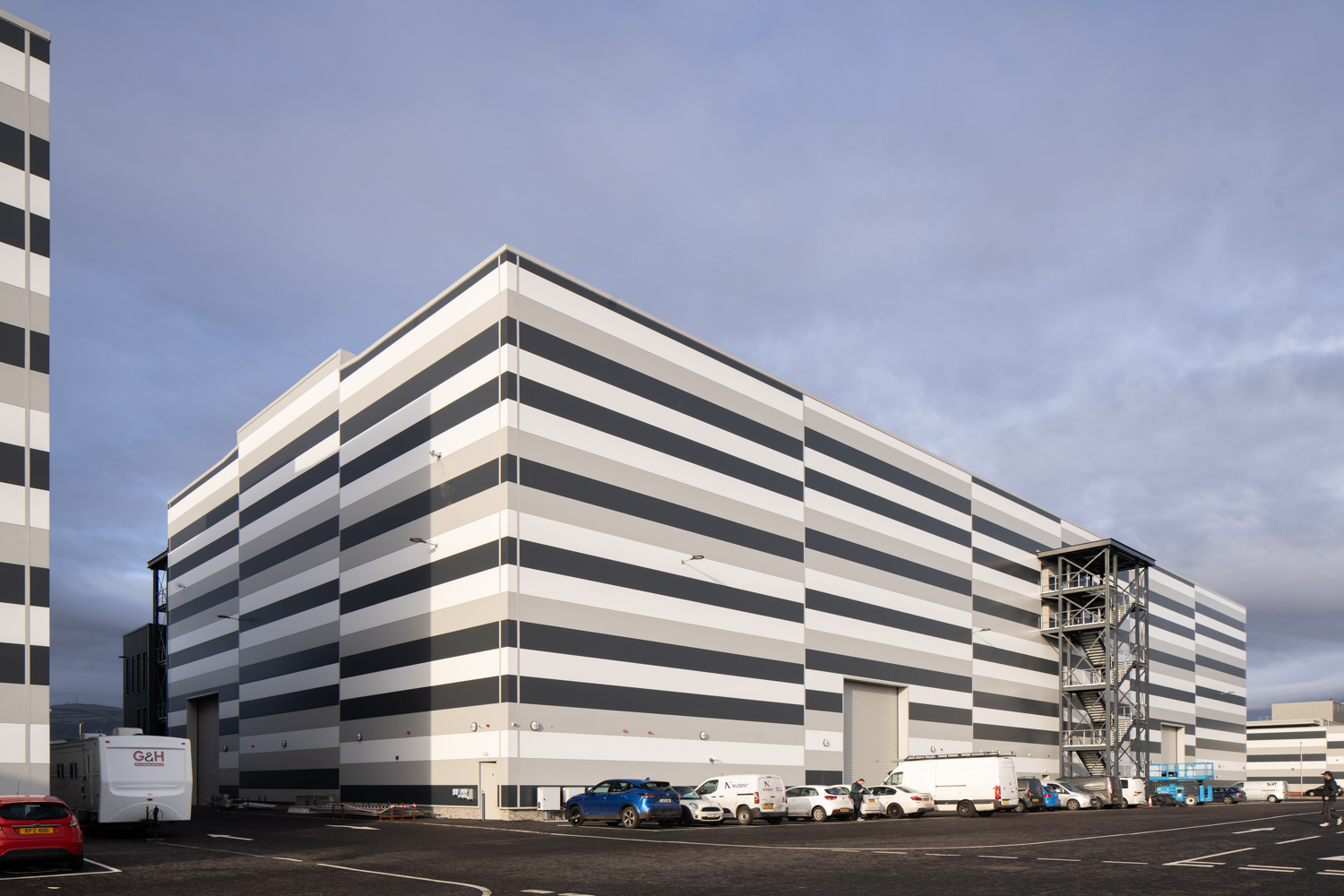
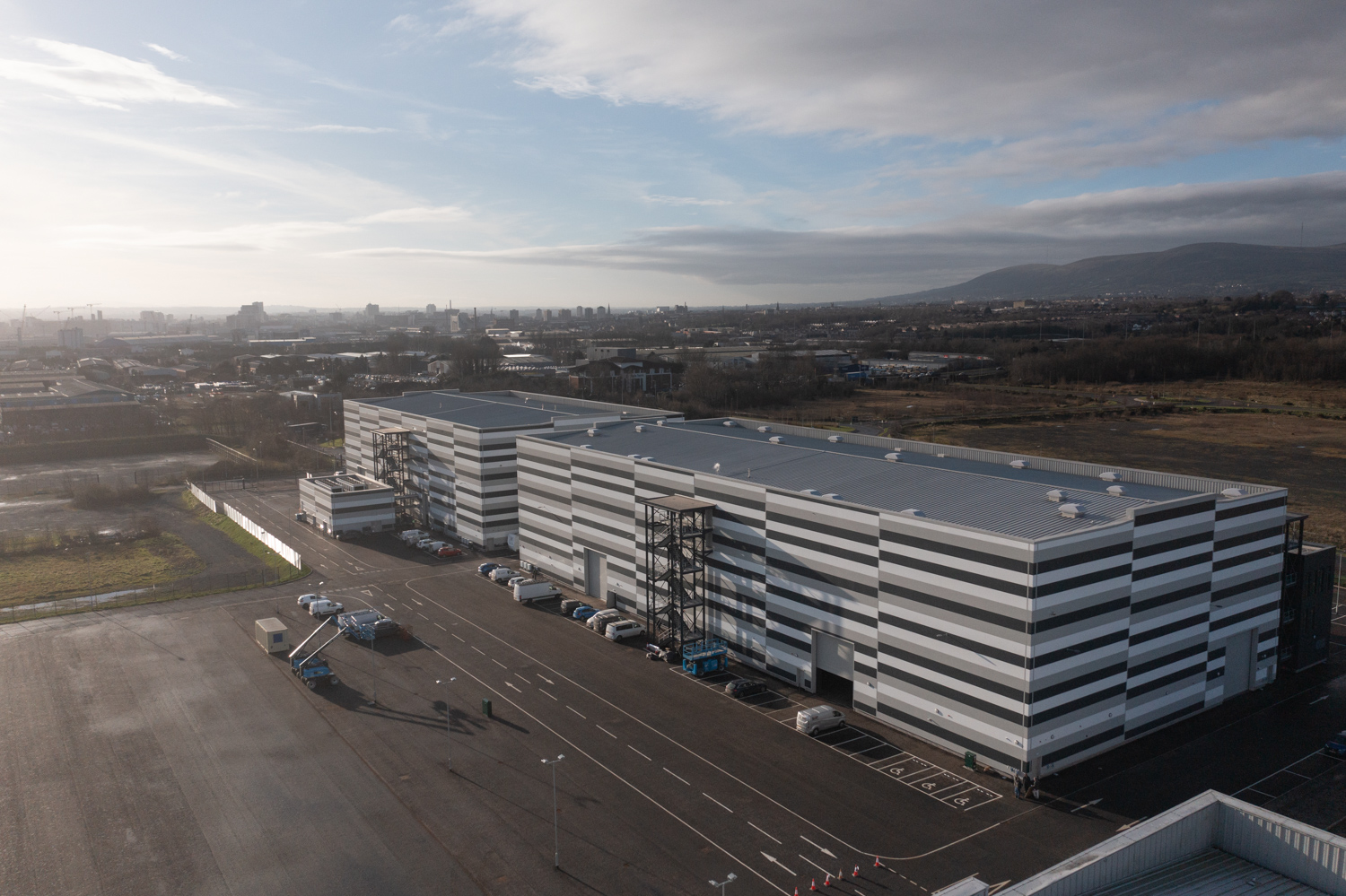
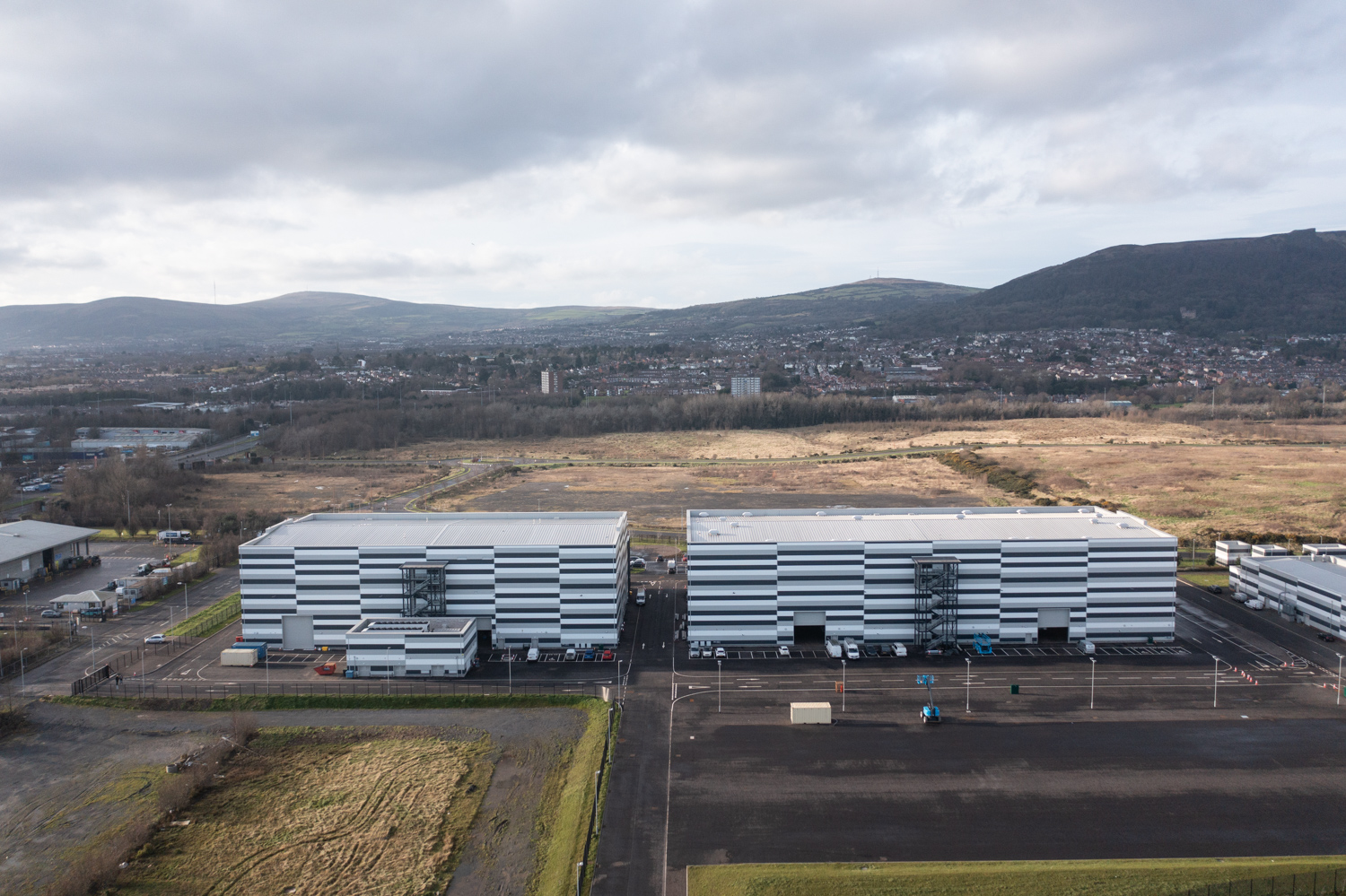
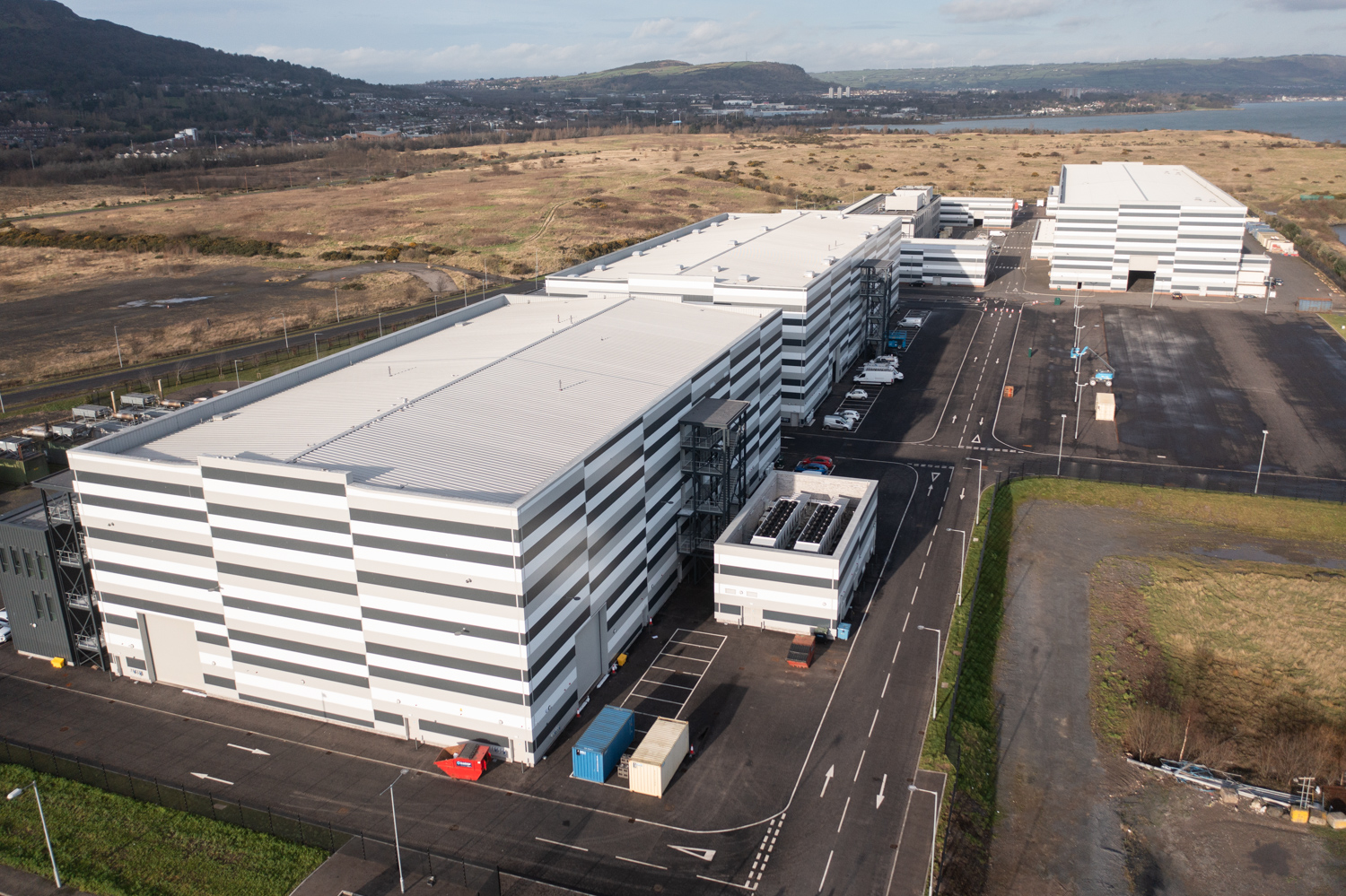
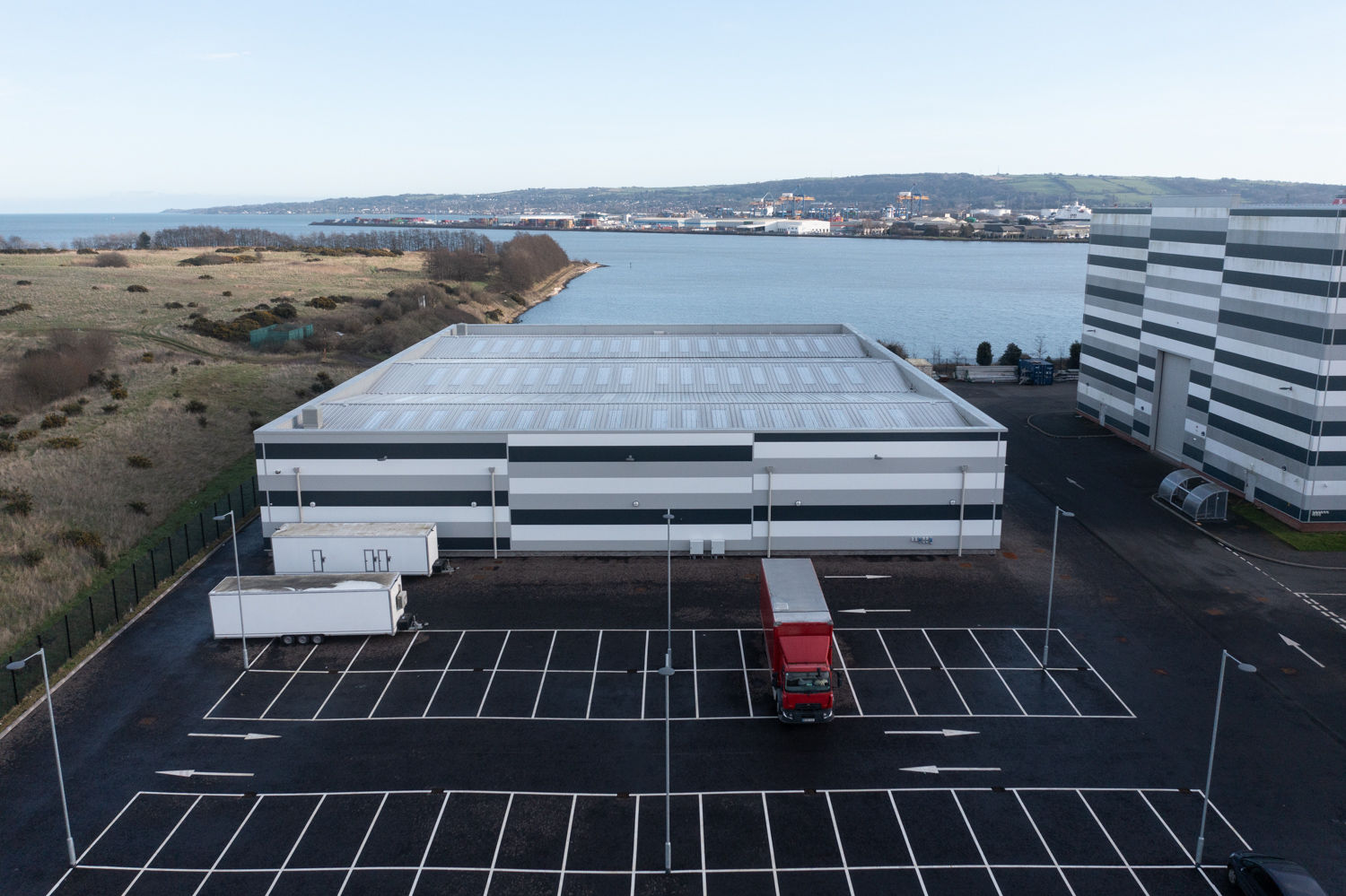
Belfast Harbour Studios Phase 2 forms part of a major expansion of film production infrastructure at Giant’s Park within Belfast Harbour Estate. Phase 2 of the development comprised two large film studios and a dedicated workshop facility, supported by adjoining office accommodation, all designed to meet the operational demands of large-scale film and television production.
Thornton was appointed by Graham to deliver the roofing and cladding package. The buildings required large clear spans and high internal volumes, placing particular emphasis on acoustic performance, thermal efficiency, and durability. Early site challenges, including ground conditions on reclaimed land, placed pressure on programme and required a flexible and coordinated approach to delivery.
Scope of Works
Thornton delivered an envelope package across the studio and workshop buildings, covering roofing, wall cladding, and associated access and drainage systems.
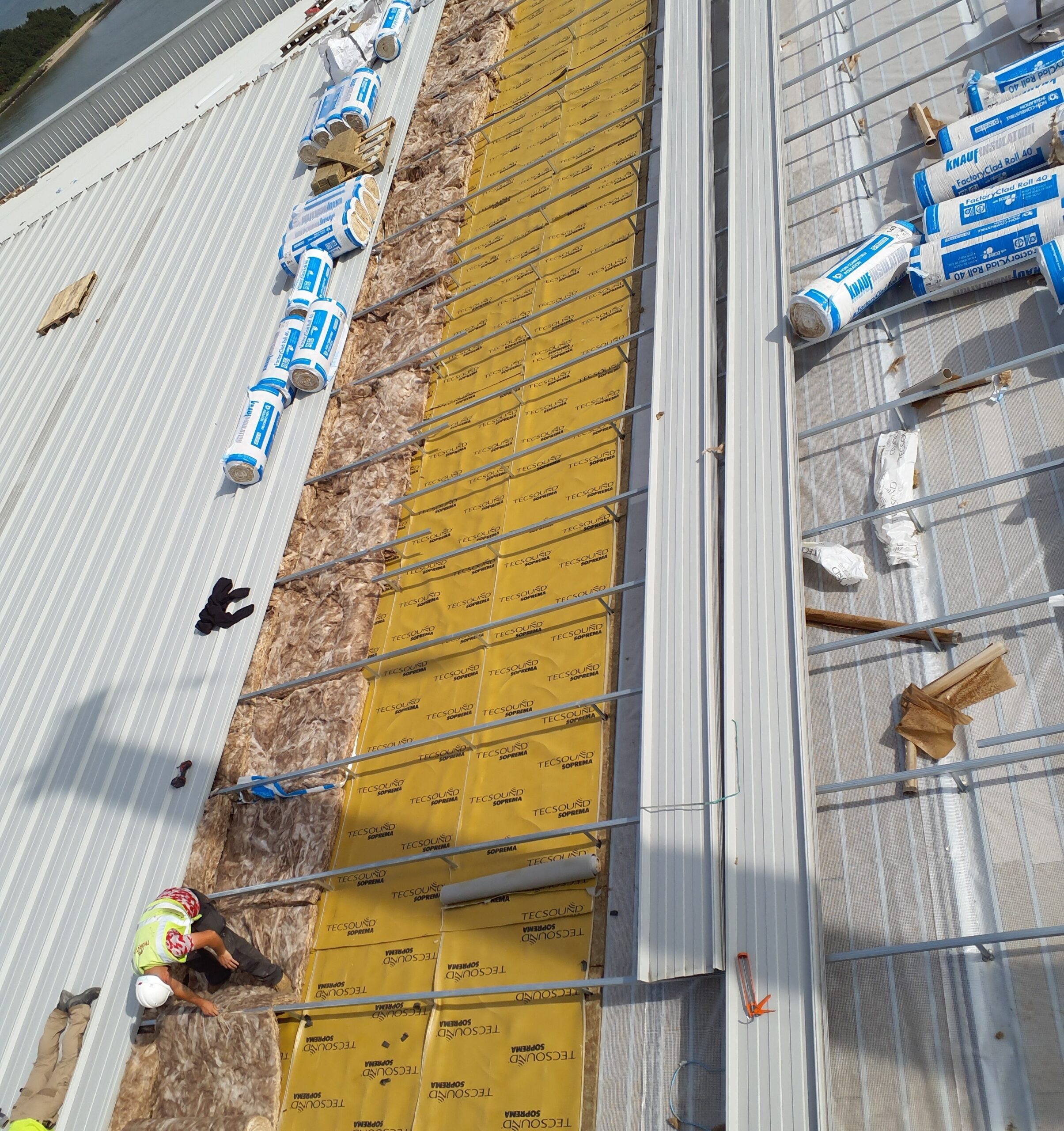
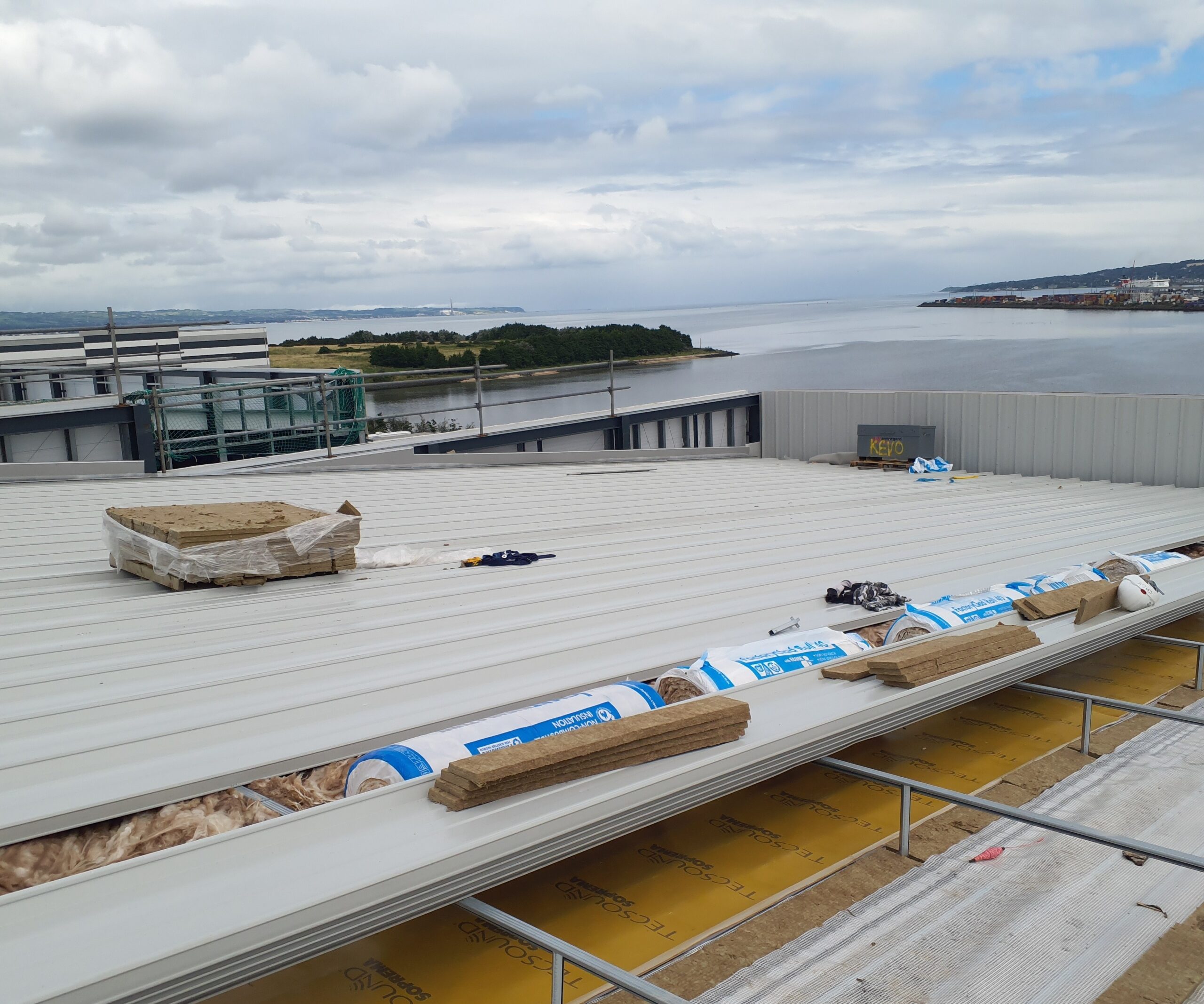
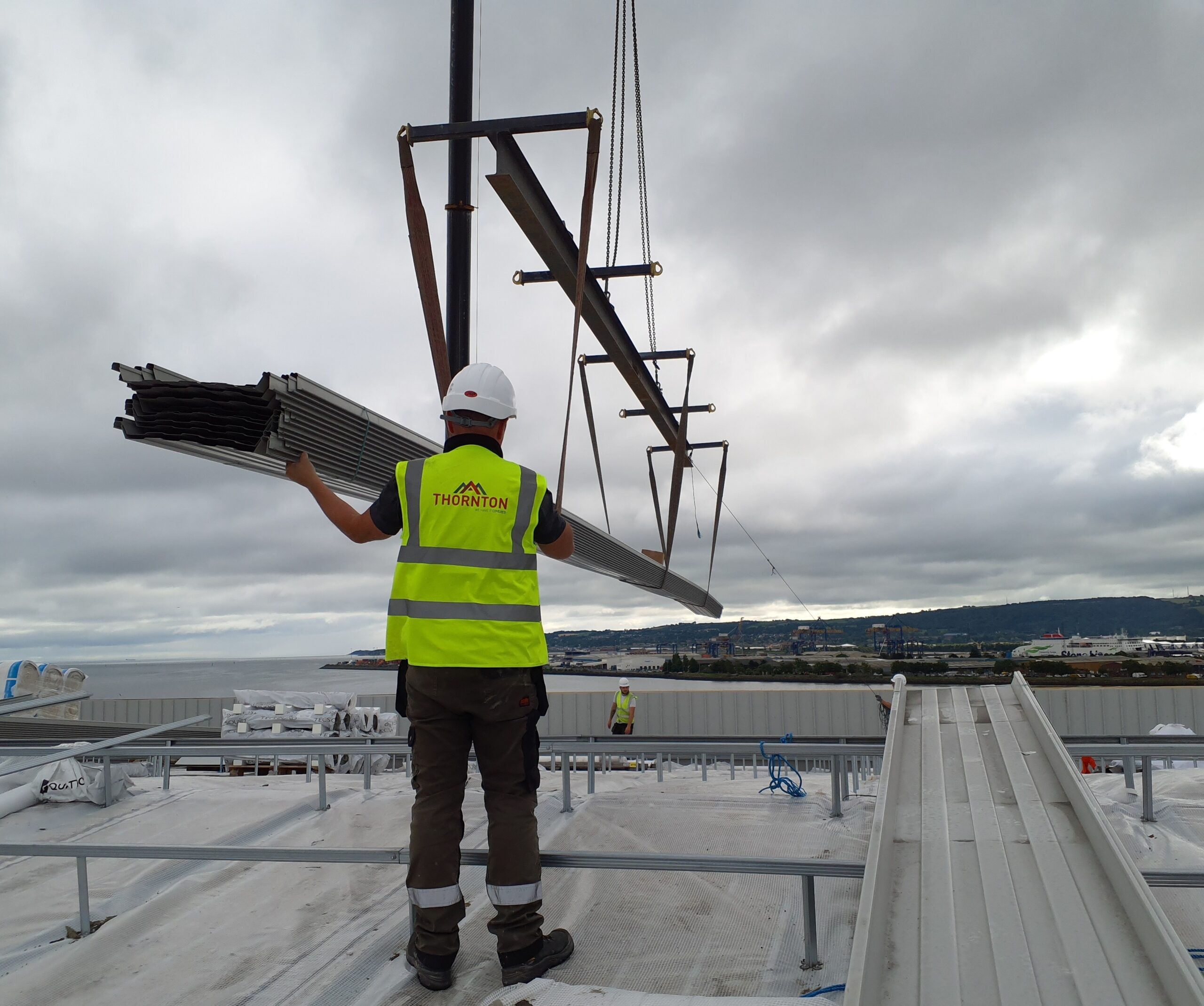
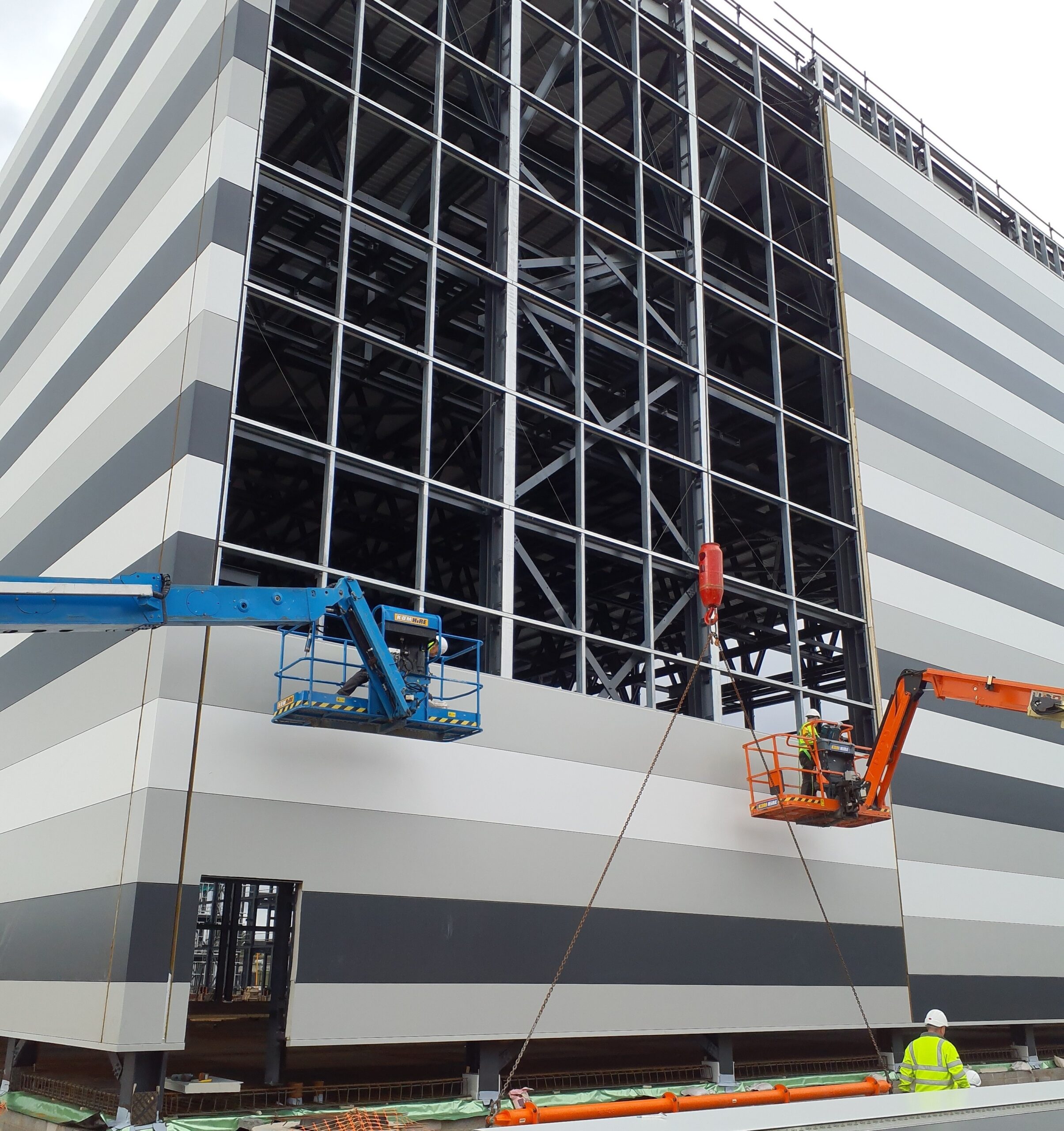
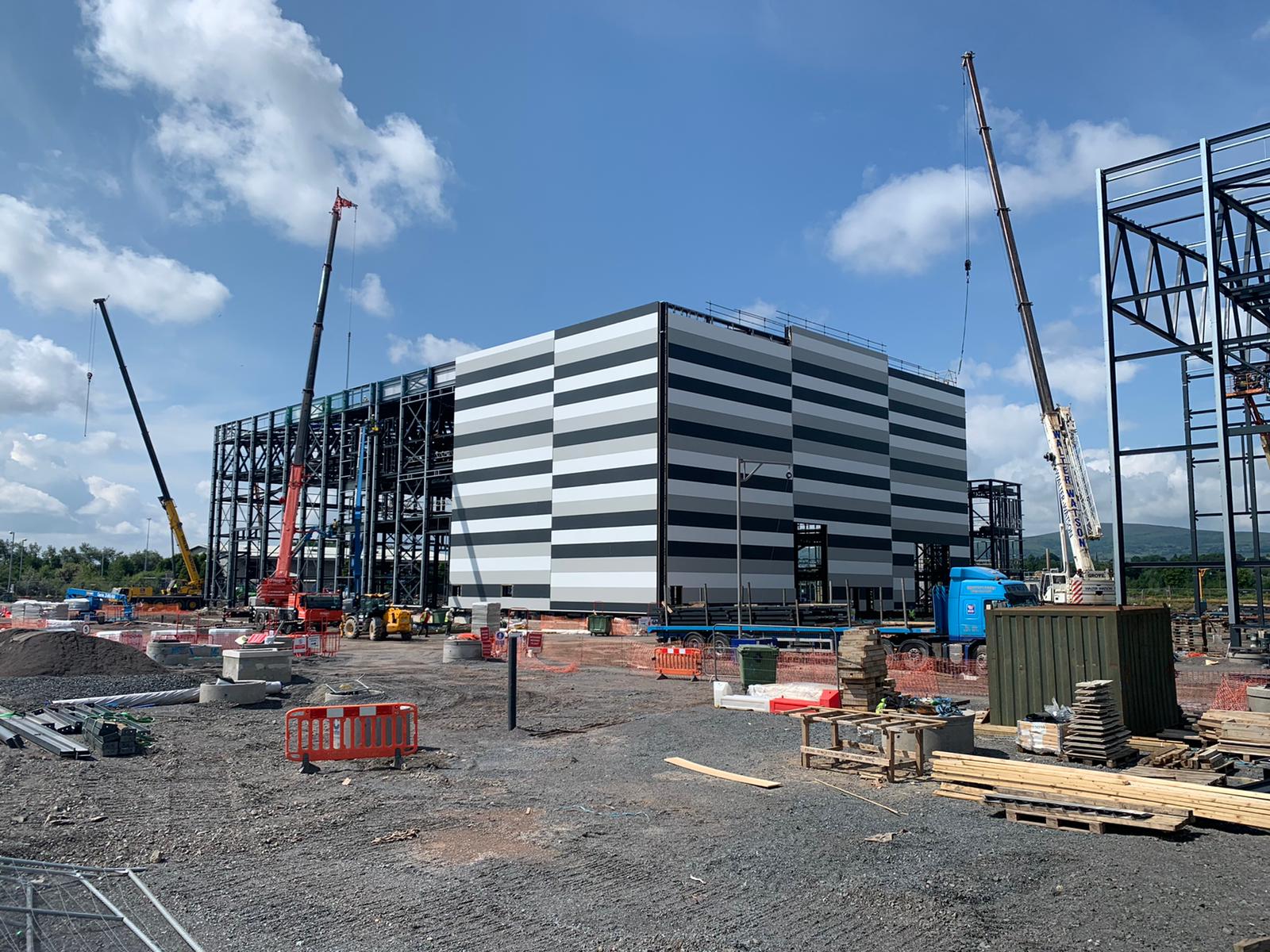
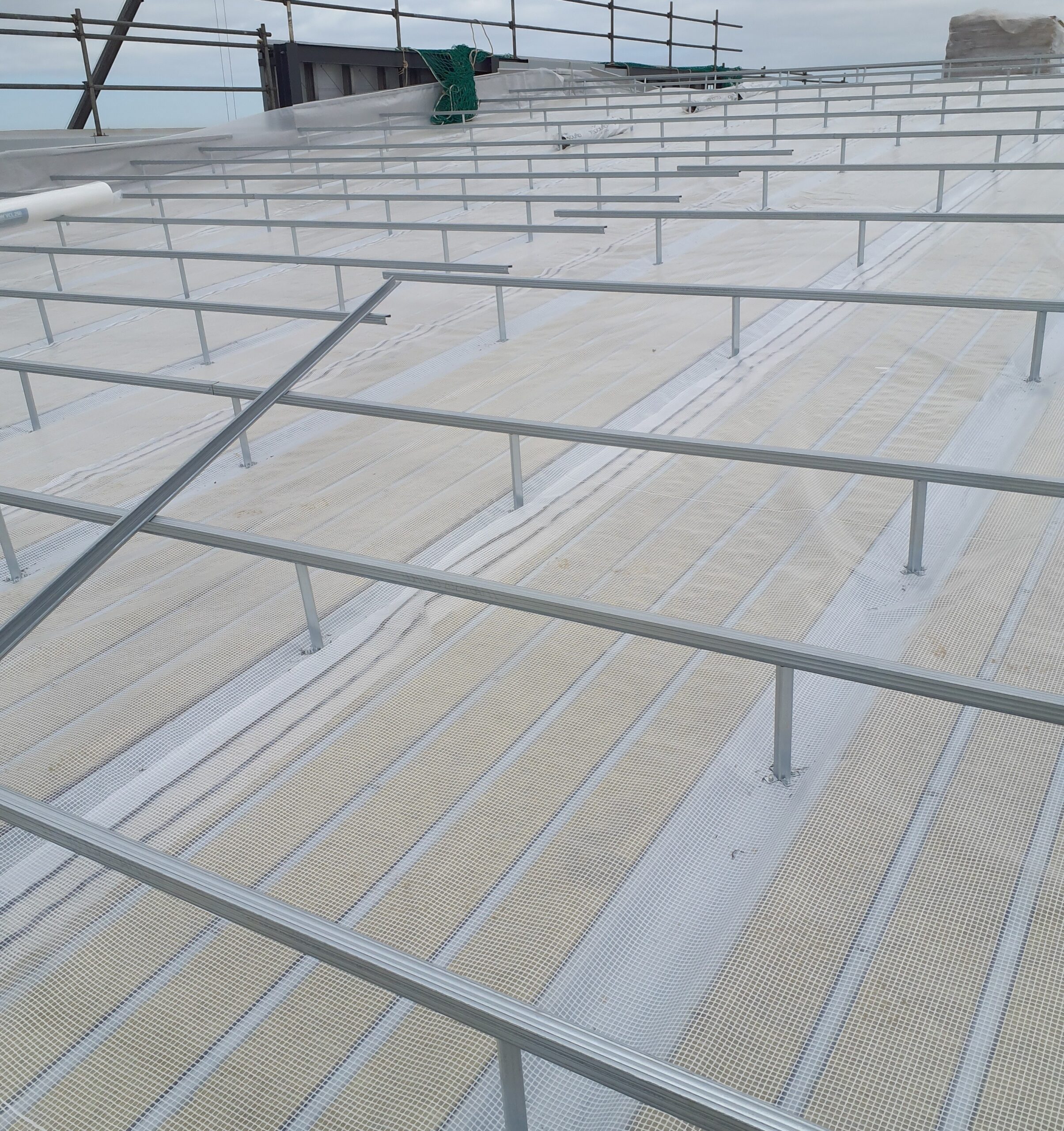
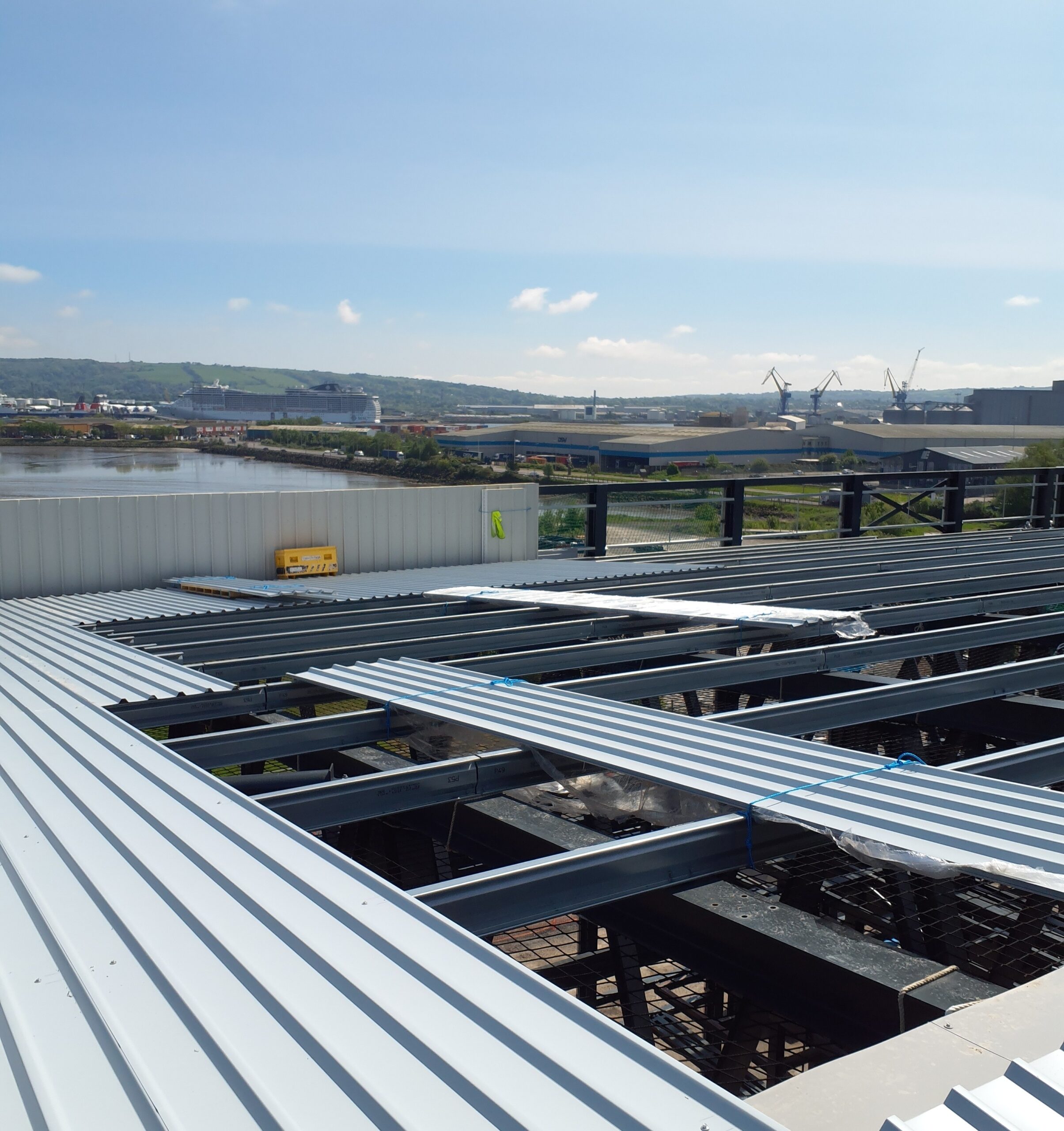
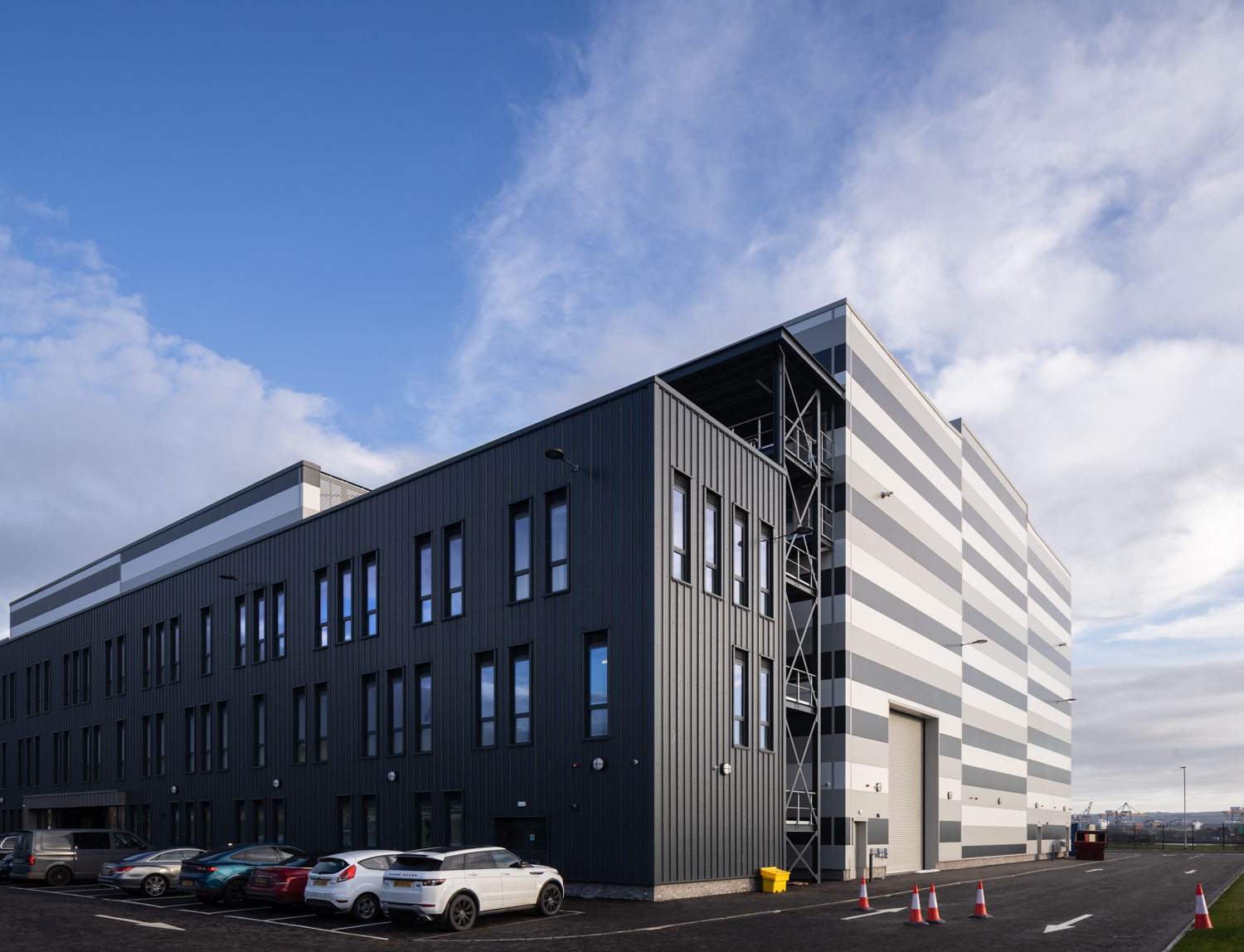
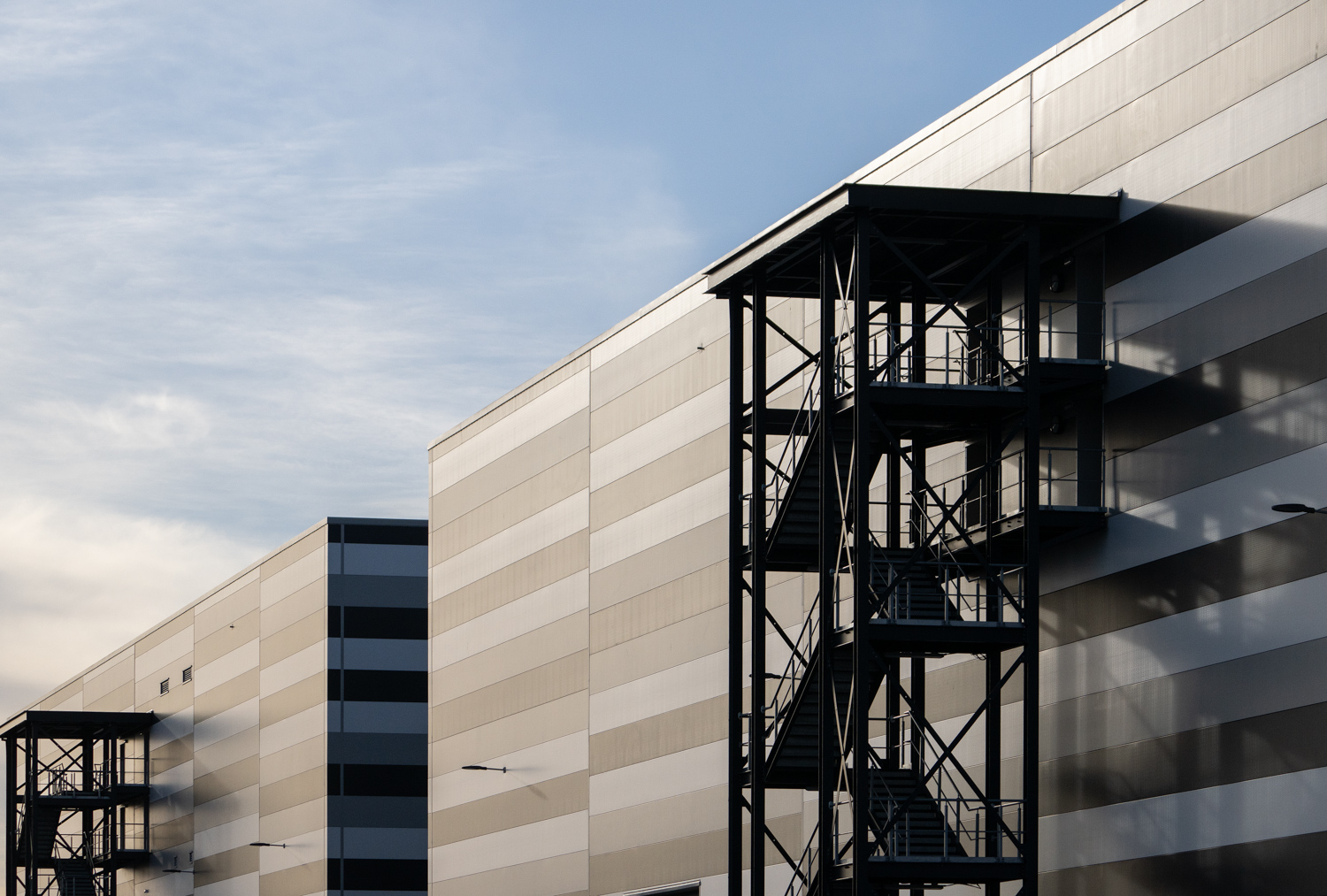
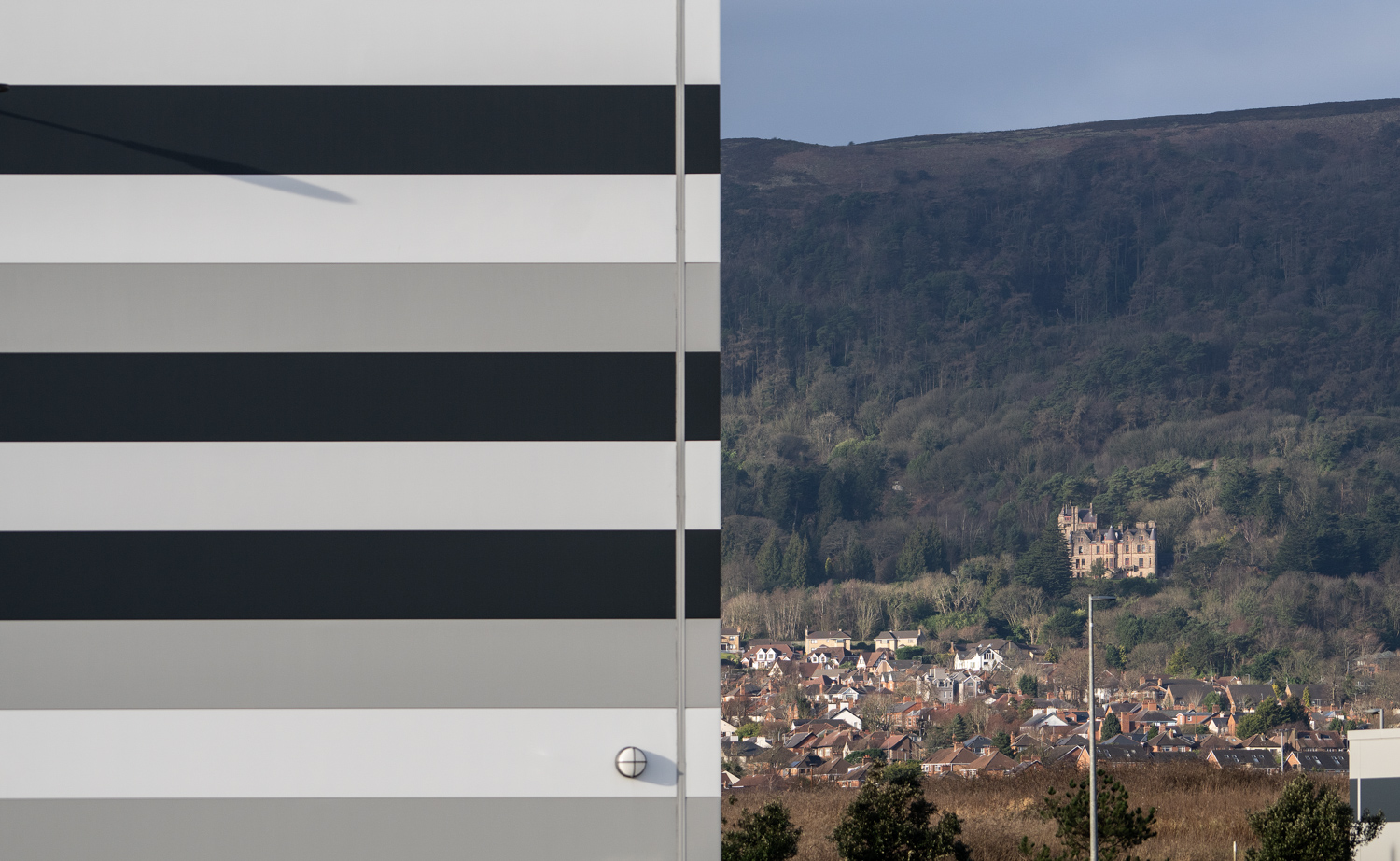
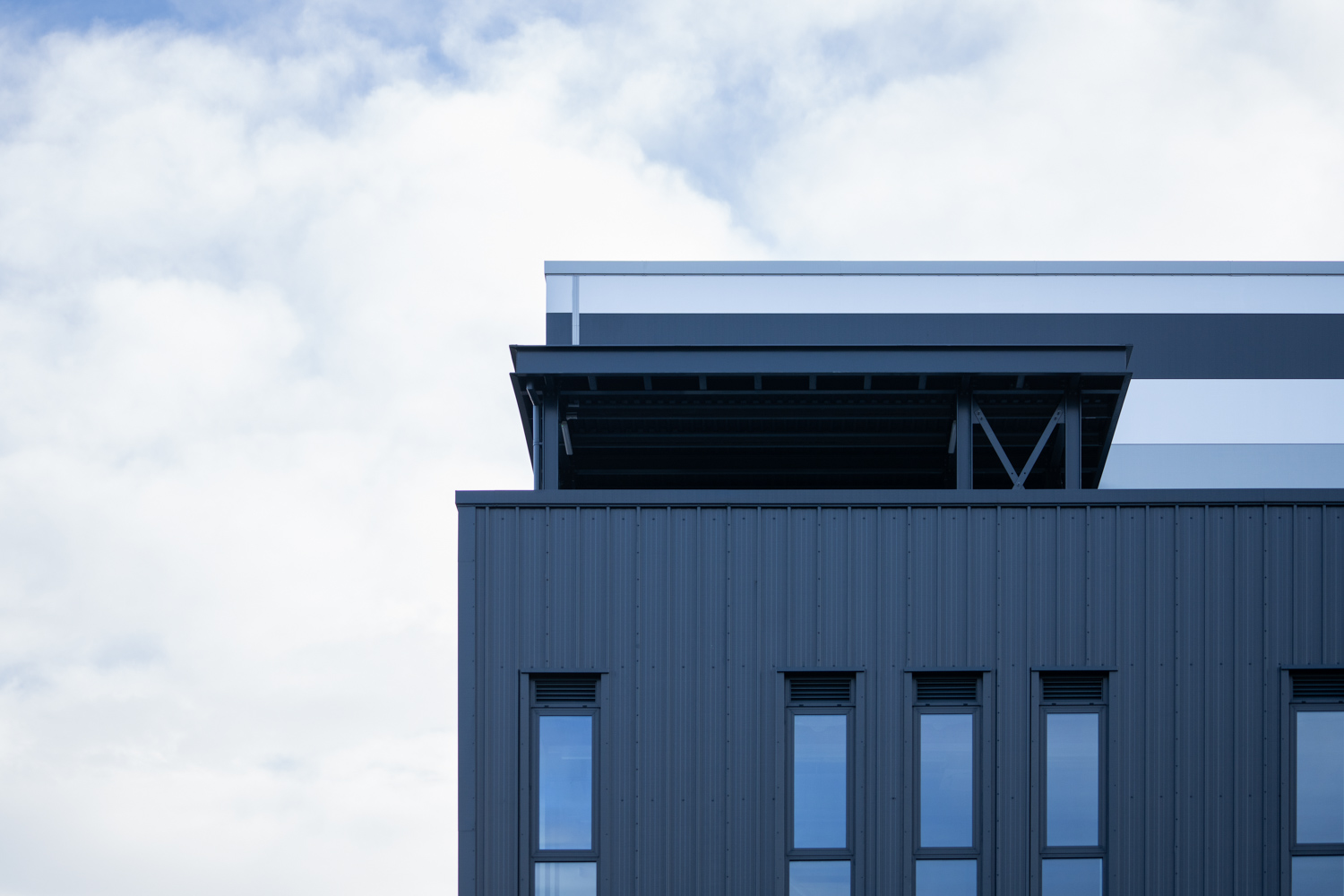
The studio roofs were formed using Euroclad Elite SF500, incorporating liner sheets, spacers, insulation, and top sheeting to achieve the required thermal and acoustic performance. Wall cladding to the studios and workshop buildings comprised Kingspan Insulated Panels Longspan MR and RW systems, installed horizontally and vertically depending on building function and elevation requirements.
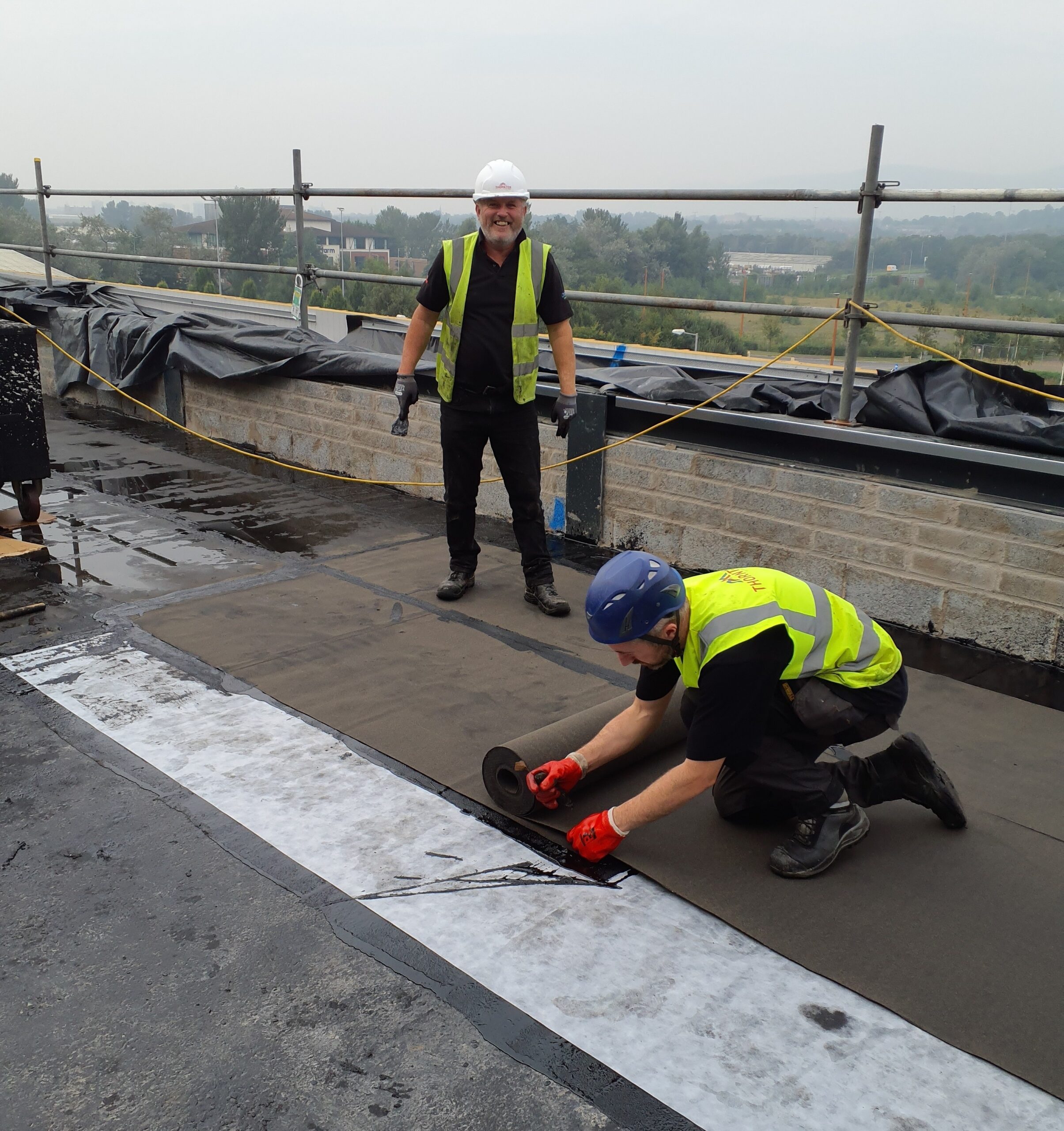
The workshop building utilised Kingspan Insulated Panels for both roof and wall applications, providing a consistent and efficient envelope solution. Additional roof areas incorporated flat roofing systems, including monolithic hot-melt and single-ply membranes, to suit varying roof conditions across the development.
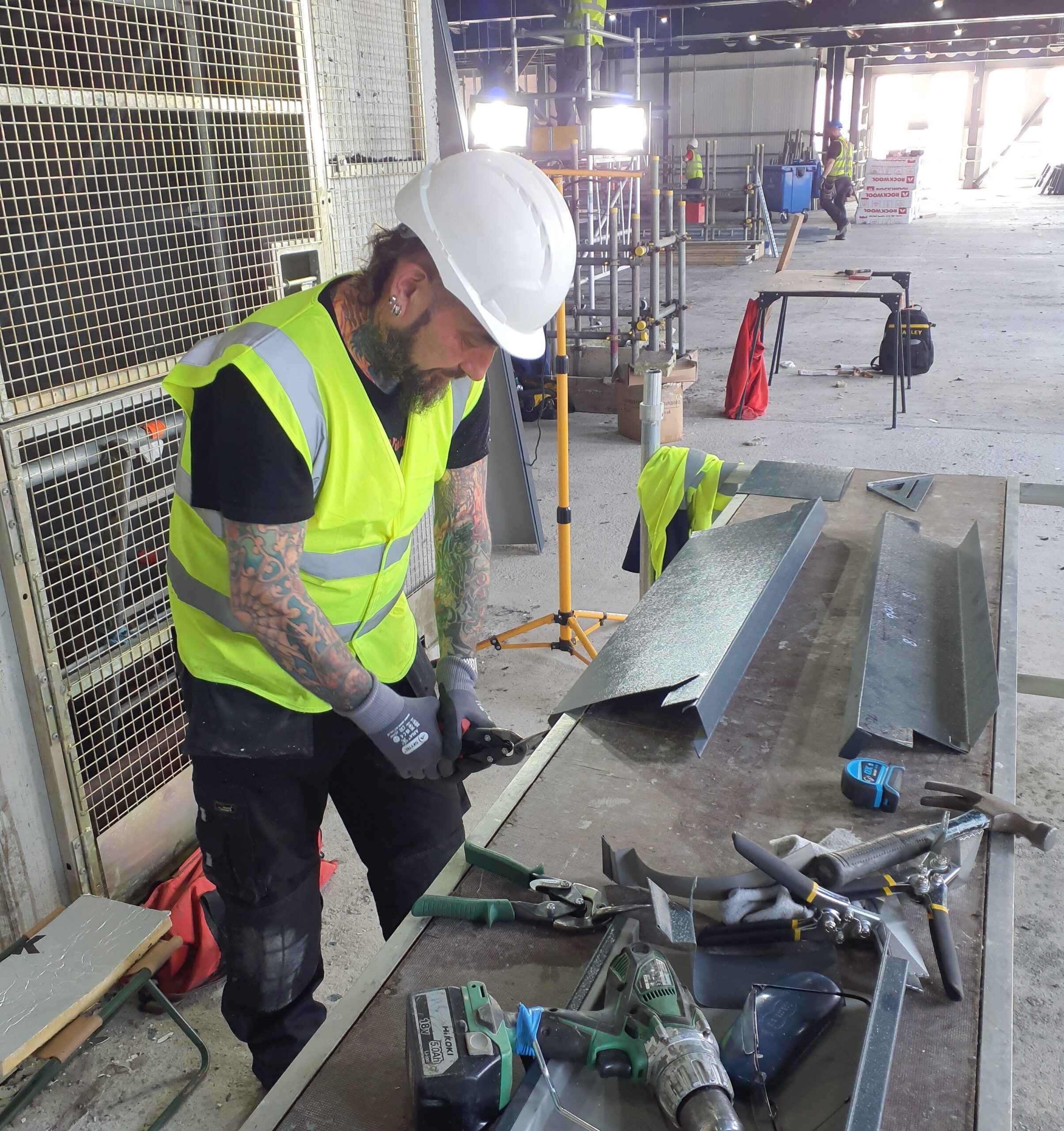
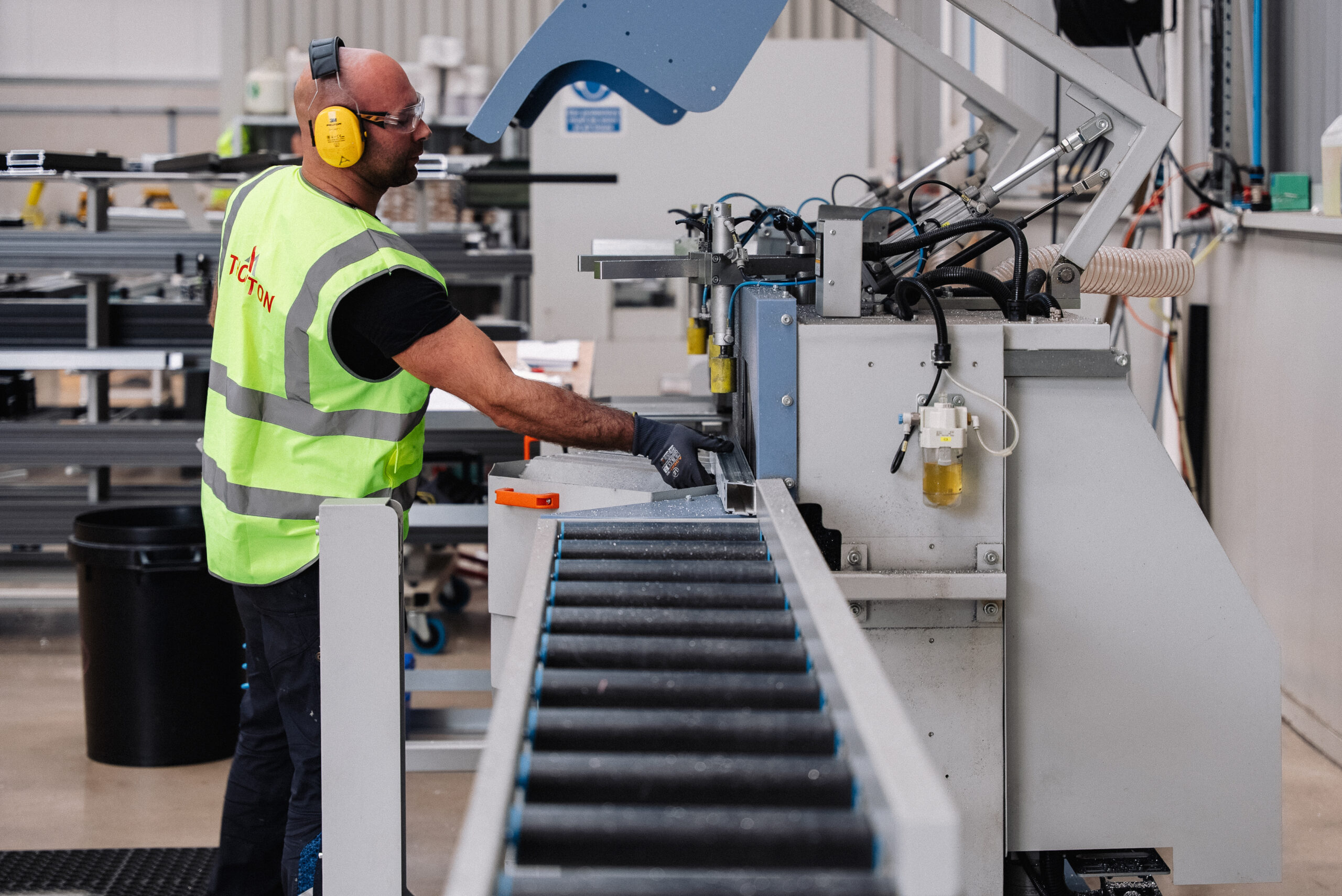
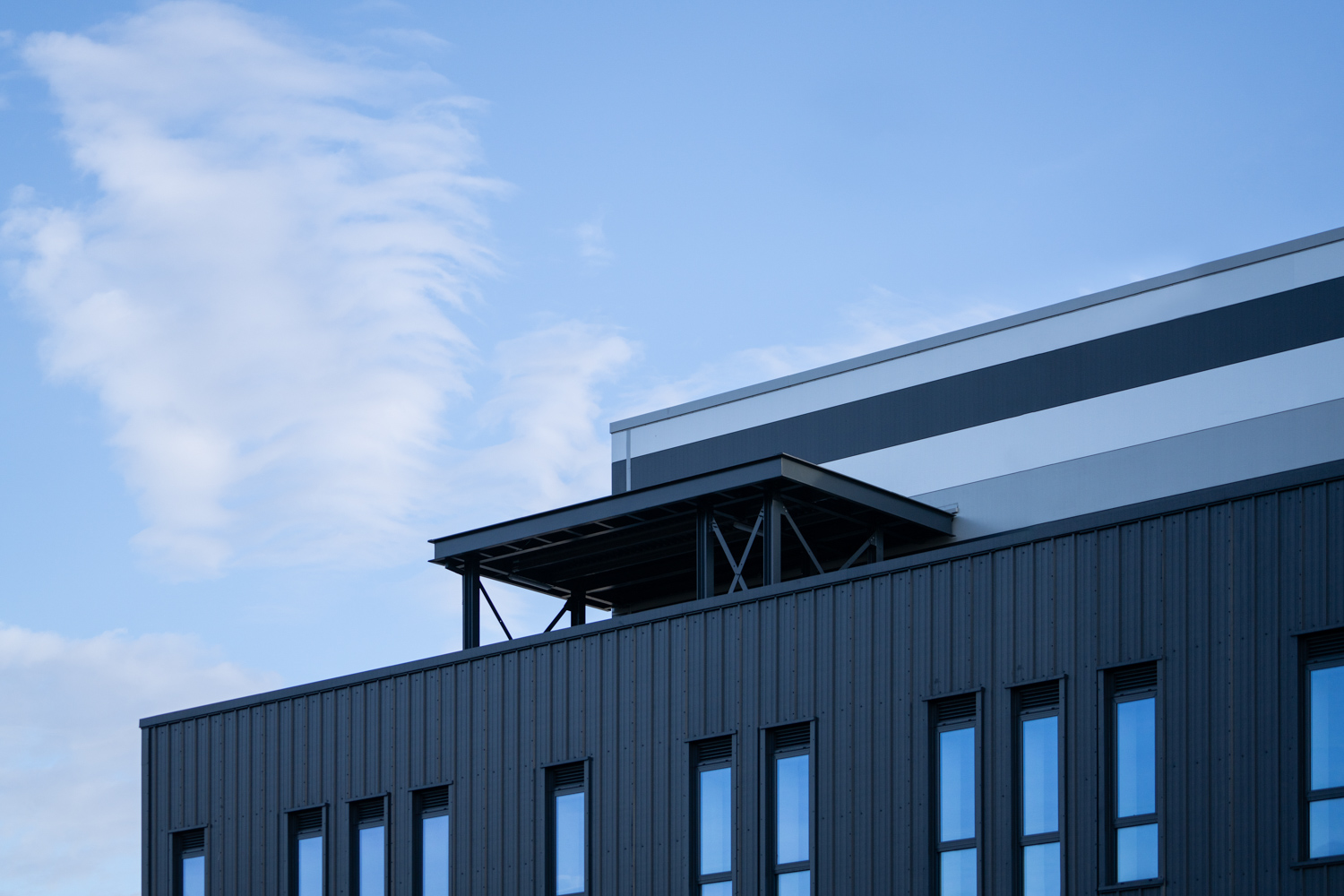
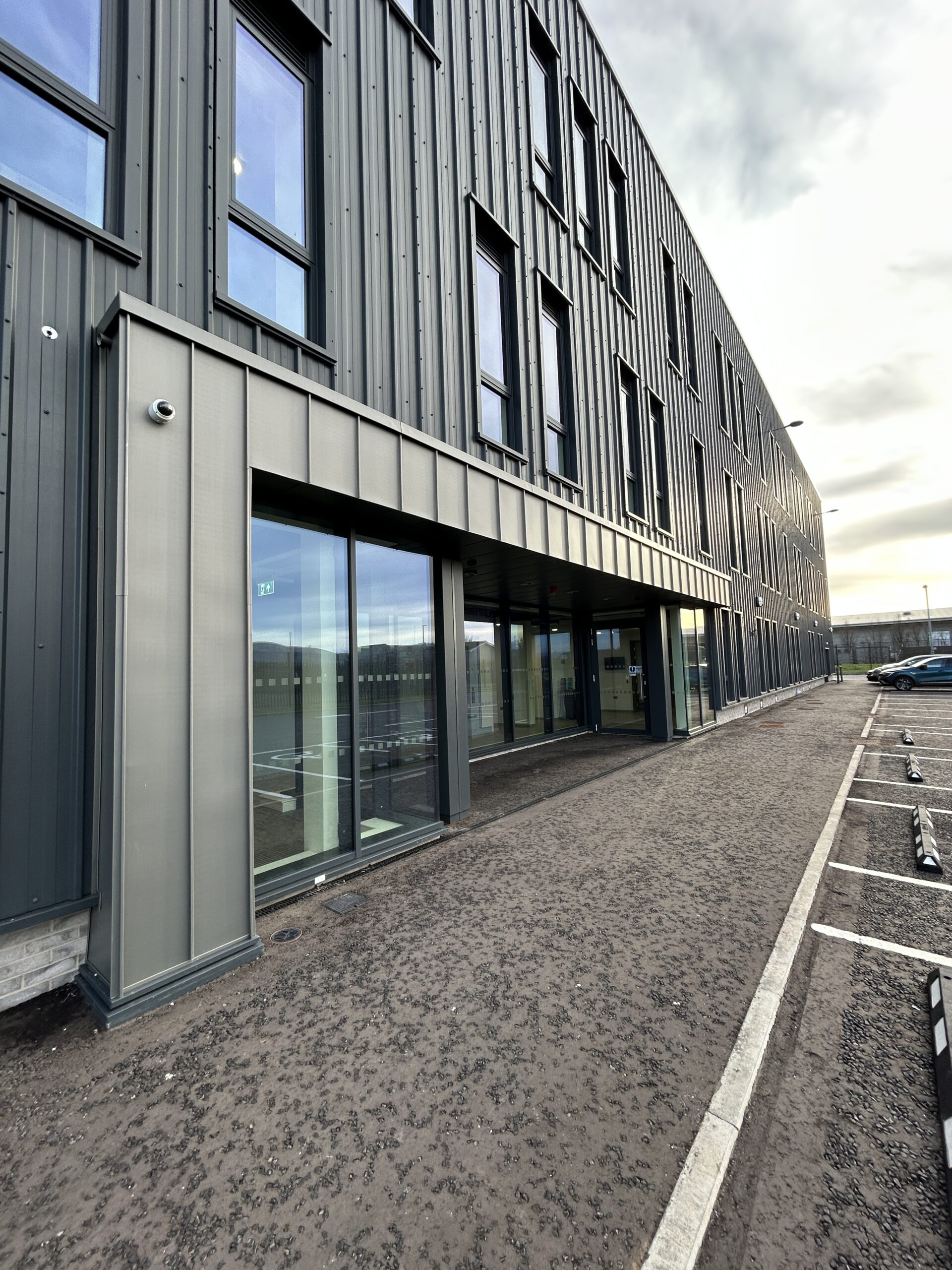
Bespoke aluminium flashings were designed and fabricated in-house to suit the range of interfaces across the buildings, including junctions with structural steelwork, openings, and service penetrations. The package also included zinc cladding, siphonic and gravity drainage systems, fall-arrest systems, and access hatches.
All systems were coordinated to operate as a single envelope, addressing thermal continuity, weathering, and acoustic requirements across multiple building types.
Supply Partners





Technical Delivery
Key Challenges & Solutions
The project required a high level of adaptability from the outset, driven by both site conditions and programme pressures.
Ground conditions associated with the reclaimed site delayed the steel frame programme, which in turn disrupted the planned start of the envelope works. Rather than wait for full building handover, works were re-sequenced to follow the steel frame as it progressed. Installation commenced in available areas, with additional local labour and site management introduced to support an accelerated programme. This allowed both studio buildings to be progressed in parallel, recovering lost time without compromising installation standards.
Access across the site became increasingly restricted as perimeter groundworks progressed. This directly affected the installation of long-span cladding panels, which were up to 17 metres in length. Conventional access using scissor lifts was no longer viable. The installation methodology was adapted to use boom lifts in conjunction with crane-assisted vacuum lifting. Panels were lifted into position using clad-boys and fixed from the booms, allowing work to continue safely within the constrained environment.
Material procurement presented a further challenge. Early procurement was required to manage cost risk, but the building perimeter could not accommodate large volumes of materials, particularly long panels. An off-site storage compound was established, where material was loaded to a dedicated shunting lorry utilising a 2-trailer rotation system, with cranes located in the compound and on site specifically for loading and unloading. This approach ensured a steady flow of materials to work areas without congestion, while maintaining programme momentum.
The project also required careful coordination of multiple envelope systems across different building types. Interfaces between built-up roofing, insulated panels, structural steelwork, and service penetrations were developed in detail and supported by in-house fabrication of bespoke flashings. Early production of sample details allowed interfaces to be agreed and signed off quickly, reducing delays during installation.
Performance Outcomes
The envelope works were delivered in line with the revised programme, supporting the overall completion of the studios for their planned operational date.
The phased installation approach and increased resourcing allowed both buildings to progress concurrently despite early delays. Off-site material management and controlled delivery ensured continuous installation without disruption, even within a constrained site environment.
All roofing and cladding systems achieved the required thermal, acoustic, and weathering performance necessary for film studio operation. Quality was maintained through structured inspection processes, including regular manufacturer visits to sign off on installations.
The completed development meets the client’s expectations and provides a high-performance environment suitable for long-term use in the film and television industry.
How the project came to life